
Building trust in therapy is a foundational element for any successful treatment, particularly for children. When children feel safe, understood, and supported, they are more likely to engage in the therapeutic process, leading to better outcomes. It’s important for parents to play an active role in helping their child establish trust with their therapist. In this article, we will explore some strategies for building a trusting relationship during therapy.
Understanding the Role of Trust in Therapy
Trust is the cornerstone of the therapeutic relationship. When it comes to children, this trust is built gradually. Children need to feel that they are in a safe space where their thoughts and feelings are respected. Without trust, children may become anxious, resistant, or withdrawn. A strong child-therapist rapport helps the child feel heard, accepted, and valued.
Creating a trusting environment is not just the therapist’s responsibility—it involves both parents and therapists working together to provide emotional security for the child. This partnership fosters an open line of communication, allowing the child to express themselves more freely.
Key Steps in Building Trust with Your Child During Therapy
To ensure your child feels comfortable during therapy, consider the following steps:
Open Communication
Encourage your child to talk about their feelings, fears, and expectations before the therapy session begins. Let them know that they can share their thoughts openly with you and their therapist. When they feel heard at home, it strengthens their confidence in the therapist’s office.
Reassurance and Emotional Security
Let your child know that therapy is a safe space. It’s essential to reassure them that everything they say during sessions is confidential (within the limits of safety). Emphasize that therapy is a place where they will not be judged and that their feelings are valid.
Build Consistency
Consistency is key to developing trust. Regular attendance and punctuality are important, as they show your child that therapy is a stable and reliable part of their routine. If they see their therapist consistently, they will begin to feel more comfortable in the environment.
Let the Child Set the Pace
Every child is different and will warm up to therapy at their own pace. Respect your child’s need for time to adjust to the therapist. Forcing a child to open up before they’re ready can damage the trust-building process. Let them express themselves when they feel ready.
Modeling Trust Yourself
Demonstrate trust in the therapist as a parent. When you show that you trust the therapist, it sets a positive example for your child. If you communicate openly with the therapist, it teaches your child that it’s okay to trust and confide in others.
The Role of a Therapist in Building Trust
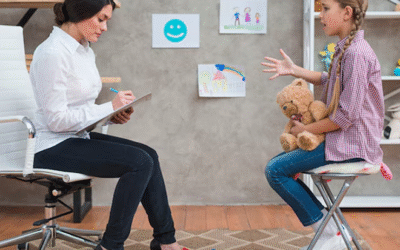
While parents play an essential role, the therapist’s approach to building trust is equally significant. A therapist’s role in building trust includes providing supportive guidance, creating an environment where the child feels safe, and demonstrating patience. Children need to feel that their therapist is reliable, compassionate, and genuinely interested in their well-being.
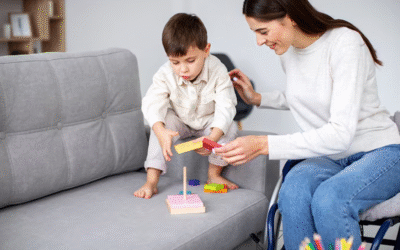
A therapist will work to establish rapport with the child through gentle conversation, play therapy, or other creative techniques. They will also take steps to engage the child in ways that feel natural and comfortable. If the therapist respects the child’s boundaries and works within the child’s emotional limits, trust will develop more organically.
Tips for Parents to Foster Trust with the Therapist
As a parent, you can further encourage the development of trust between your child and the therapist by staying engaged throughout the process. Here are some tips to help:
- Be Open About Your Child’s Needs: Share information about your child’s emotional needs, any relevant past experiences, and what you feel may help in therapy.
- Collaborate with the Therapist: Work with the therapist to identify goals for therapy and communicate regularly about your child’s progress.
- Stay Involved in the Process: Attend parent meetings or check-ins with the therapist to stay updated on the therapeutic journey.
- Avoid Being Judgmental: Children may be reluctant to open up if they feel their parents will judge them. Maintain an open-minded attitude toward what your child shares.
- Reinforce Positive Feedback: Encourage your child to talk about their therapy sessions at home. Offer praise for their courage and honesty during the sessions.
Building a Safe Environment for Emotional Expression
Children need a space where they can express their emotions freely without the fear of being judged or reprimanded. This is why emotional security is so important in therapy. When children feel that their emotions are valid, they are more likely to open up.
In a safe environment, children may begin to share more about their struggles, fears, and hopes. This emotional security allows the therapist to help the child work through difficult feelings and challenges, ultimately leading to greater well-being.
Child-Therapist Rapport
A positive child-therapist rapport is one of the most vital components of therapy. This relationship is built on trust, empathy, and understanding. A good rapport means that the child feels comfortable with the therapist and is more likely to cooperate during sessions.
Here are a few strategies therapists use to build rapport with children:
- Play Therapy: Many children communicate better through play. The therapist may use toys or art to help children express themselves.
- Active Listening: The therapist listens carefully to everything the child says, showing empathy and validating their feelings.
- Respecting Boundaries: Children need to feel in control of their own space. Therapists must respect boundaries to help children feel safe.
When a solid child-therapist rapport is established, children are more likely to open up, making the therapy process smoother and more effective.
Key Elements of Supportive Guidance in Therapy
Supportive guidance involves helping the child navigate their emotions, fears, and challenges in a nonjudgmental way. This guidance should be tailored to the child’s emotional state and needs. Supportive guidance can include:
- Offering strategies for coping with anxiety or anger.
- Helping children learn how to manage their emotions.
- Encouraging children to talk about their feelings in a constructive way.
- Gently challenging any negative thoughts or beliefs the child might have.
Supportive guidance is about fostering a child’s emotional growth while creating a space where they feel safe, respected, and understood.
Quick Tips for Building Trust in Therapy
- Talk to Your Child: Encourage open communication about their feelings before and after therapy sessions.
- Reassure Your Child: Make sure they know therapy is a safe space where they won’t be judged.
- Be Consistent: Attend all scheduled sessions and encourage your child to do the same.
- Trust the Therapist: Demonstrate trust in the therapist, showing your child that it’s okay to open up.
- Stay Involved: Regularly check in with the therapist about your child’s progress.
Conclusion
Building trust in therapy is a gradual process that requires patience, understanding, and consistency. It’s a collaborative effort between the parent, child, and therapist. When children feel emotionally secure and supported, they are more likely to engage in therapy and make progress in overcoming their challenges. By fostering a trusting relationship, you can help your child gain the most from their therapy sessions and set them up for future success.
FAQs
How long does it take to build trust with a child during therapy?
Building trust with a child in therapy varies depending on the child’s personality and prior experiences. It may take several sessions for the child to feel comfortable enough to open up.
Can I attend my child’s therapy sessions?
This depends on the therapy model and your child’s comfort level. Some therapists may allow parents to join the session, while others may encourage parents to wait outside to give the child space.
What if my child is not comfortable with the therapist?
If your child doesn’t feel comfortable with the therapist, it’s important to communicate with the therapist about your concerns. It may take time to find the right fit for your child.
What can I do if my child refuses to go to therapy?
Talk to your child about why they don’t want to go and try to address any fears or misconceptions. Reassure them that therapy is a safe space where they can talk freely.
How can I support my child’s emotional growth outside of therapy?
You can support your child’s emotional growth by practicing active listening, providing positive reinforcement, and encouraging them to express their feelings in healthy ways.