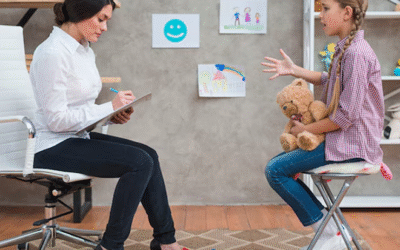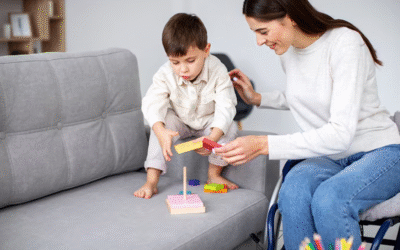

Building positive routines at home and school is vital for children’s overall growth and development. One powerful method to encourage such routines is through behavior shaping. At My Favorite Therapists in Deerfield Beach, we understand the importance of Behavior shaping strategies for kids in cultivating structured, positive routines. These routines help children, especially those with autism, manage their behavior, improve transitions, and strengthen their emotional regulation.
What Is Behavior Shaping?
Behavior shaping is the process of reinforcing behaviors step by step to encourage more complex behavior patterns over time. This technique is often used in both home and school environments to support children in developing positive routines, emotional regulation, and social skills. It relies on breaking down larger goals into smaller, more manageable tasks, making it easier for children to succeed. By rewarding progress at every stage, children are encouraged to continue improving and expanding their abilities.
Behavior shaping strategies for kids can be implemented through positive reinforcement, providing rewards or praise whenever a child exhibits a desired behavior. Over time, this creates a routine where children know exactly what is expected of them and how to meet those expectations in a positive manner.
Behavior Shaping Strategies for Kids at Home and School
Positive Reinforcement Routines
Positive reinforcement is a key part of behavior shaping. This involves recognizing and rewarding a child when they perform a desired behavior. At home, this could be as simple as offering praise or a small treat when a child follows a specific routine, like brushing their teeth without reminders. In school, teachers can use verbal praise or a token system to encourage positive behaviors.
Positive reinforcement routines help create a predictable environment for children. When children understand what behaviors are valued, they are more likely to engage in those behaviors regularly. This creates a stable routine, both at home and in school, which makes it easier for children to transition from one task or activity to the next.
Child Behavior Improvement Tips
When working with children, it is important to set realistic expectations. Gradually introducing new routines can lead to better behavior improvement over time. Some helpful Child behavior improvement tips include:
- Start small: Break down large tasks into smaller, manageable steps to make it easier for children to succeed.
- Be consistent: Consistency is key when shaping behavior. Praise positive actions every time they occur to reinforce good behavior.
- Model desired behavior: Children often mimic adults. Showing them how to perform a task or behavior correctly can help them understand what’s expected.
- Give clear instructions: Be specific about what you want your child to do, so they can understand your expectations clearly.
By focusing on these tips, children learn how to improve their behavior and gradually adopt positive routines.
Structured Routine Support for Kids
Structured routine support is essential for children, especially those with special needs such as autism. Consistent routines provide predictability and reduce anxiety, making it easier for children to adapt to daily activities. Behavior shaping can be a part of creating a structured routine by rewarding small steps toward completing a task.
For example, a child with autism may initially struggle with getting dressed in the morning. Through structured routine support, you can break the task into smaller steps: first putting on a shirt, then pants, and finally shoes. Each time the child successfully completes a step, they receive positive reinforcement, which encourages them to continue through the entire routine.
This approach provides children with the support they need to develop positive habits and routines while also allowing them to build confidence as they master each skill.
Improving Transitions for Kids
Transitions can be difficult for children, particularly those with autism or other developmental challenges. Behavior shaping strategies can help improve transitions by breaking tasks into smaller, more manageable segments.
For example, when transitioning from playtime to mealtime, you might offer a warning five minutes before the transition and then provide clear instructions for what’s expected. When the child makes the transition smoothly, offer praise or a small reward.
By using behavior shaping, children can learn that transitions are manageable and that they have the skills to move from one activity to the next with ease. These strategies can help make transitions at school and home less stressful for both the child and the caregiver.
Emotional Regulation Strategies
Behavior shaping is also an excellent tool for teaching children emotional regulation. By reinforcing positive behaviors, children learn how to recognize and manage their emotions more effectively. For example, if a child gets frustrated during homework, a behavior shaping approach would encourage them to take deep breaths and ask for help rather than engage in disruptive behavior.
Implementing emotional regulation strategies at home and school helps children understand that it’s okay to feel upset, but there are constructive ways to deal with those feelings. Over time, children can develop stronger emotional regulation, allowing them to cope with difficult situations without resorting to negative behaviors.
Skill-Building for Autistic Children
Skill-building for autistic children is often a crucial component of behavior shaping. By providing clear and structured support, children can learn essential life skills, such as communication, self-help tasks, and social interaction.
One approach is to use behavior shaping to teach children how to interact with peers. For example, you could start by rewarding a child when they initiate a greeting with a classmate. As the child masters this skill, you can expand the behavior to include other social interactions, such as asking questions or engaging in conversations.
With time, the child learns important social skills and becomes more confident in their ability to navigate social situations, both at home and in school.
Building Consistency Across Environments
One of the most important aspects of behavior shaping is ensuring consistency across both home and school settings. It’s essential that parents, teachers, and caregivers work together to implement consistent strategies. When children experience consistency, they are more likely to understand expectations and develop positive routines more effectively.
Collaborating with teachers or therapists can help create a seamless environment where behavior shaping strategies are applied uniformly. This unified approach supports children in building stronger habits and encourages long-term success.
Conclusion
Behavior shaping is an invaluable tool for helping children develop positive routines at home and school. Through strategies like positive reinforcement, structured support, and skill-building techniques, children can learn to manage their behavior, regulate their emotions, and transition smoothly between activities. By using behavior shaping techniques consistently across both environments, caregivers can provide children with the support they need to thrive in daily routines.
At My Favorite Therapists in Deerfield Beach, we specialize in offering guidance and support for families seeking to implement behavior shaping strategies. If you’re interested in learning more about how we can help your child build positive routines, contact us today!
Frequently Asked Questions (FAQ)
What is behavior shaping?
Behavior shaping is a technique that reinforces small steps toward a larger goal. By rewarding each small achievement, children are encouraged to continue progressing toward more complex behaviors, such as following routines or managing emotions.
How can I use positive reinforcement with my child?
Positive reinforcement involves offering praise, rewards, or other forms of recognition when your child exhibits the desired behavior. This encourages them to repeat the behavior and helps create a positive routine.
What are some child behavior improvement tips?
To improve behavior, start small by breaking tasks into manageable steps, be consistent in your approach, model the behavior you want to see, and give clear instructions.
How does behavior shaping help autistic children?
Behavior shaping provides structured support that allows autistic children to develop essential life skills, such as communication, social interactions, and emotional regulation.
How can I help my child with transitions between activities?
Use behavior shaping strategies to break tasks into smaller steps and offer rewards when your child successfully makes a transition. Providing warnings before transitions and being consistent can also reduce anxiety.