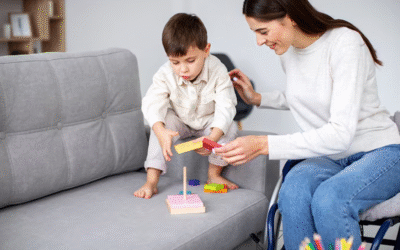

Memory plays a central role in how we learn, think, and interact with the world. Engaging in the right activities for memory development can support focus, recall, and problem-solving at every age. Families in Deerfield Beach often seek meaningful ways to support growing minds, and My Favorite therapists provides guidance that connects play with learning support in everyday life.
Understanding How Memory and Cognitive Skills Work
Memory and cognitive skills involve attention, processing speed, reasoning, and recall. These abilities allow children and adults to follow instructions, retain information, and adapt to new situations. When individuals participate in structured and playful child brain activities, neural pathways are reinforced through repetition and meaningful engagement, supporting steady intellectual growth in daily routines.
Why Activities for Memory Development Matter
Consistent participation in activities for memory development can support academic progress, communication skills, and emotional regulation. When memory skills improve, children can better organize thoughts and retain classroom information. Adults also benefit by maintaining sharper recall and mental flexibility. Through intentional learning support, individuals develop confidence in handling tasks that require sustained focus and reasoning.
Cognitive Games That Stimulate the Mind
Cognitive games encourage pattern recognition, strategic thinking, and recall. Board games, matching games, and logic puzzles fall into this category and can be enjoyed across age groups. These cognitive games challenge the brain in a playful way, encouraging sustained attention and working memory. Regular participation promotes mental engagement while maintaining a relaxed and enjoyable atmosphere.
Reading Activities That Strengthen Recall
Reading stories, discussing plots, and summarizing chapters are powerful activities for memory development. When children retell a story in their own words, they actively process and store information. This method supports comprehension and verbal expression. Adults who read and reflect on written material also exercise long-term memory, reinforcing understanding through repetition and discussion.
Music and Rhythm for Brain Engagement
Music stimulates multiple areas of the brain simultaneously. Learning lyrics, clapping to rhythms, and playing instruments are valuable child brain activities that connect auditory processing with memory. Rhythmic repetition helps reinforce recall patterns, while musical exploration encourages creativity and concentration. Engaging with music regularly supports cognitive flexibility and sustained attention.
Physical Movement and Memory Connection
Movement-based learning connects physical coordination with mental processing. Activities such as dance routines, yoga sequences, and interactive sports require participants to remember steps and sequences. These activities for memory development combine motor skills with cognitive engagement, reinforcing memory pathways while keeping the body active. Physical exercise also contributes to improved focus and overall brain health.
Puzzles and Problem-Solving Tasks
Jigsaw puzzles, word searches, and logic challenges encourage analytical thinking and visual memory. These cognitive games require individuals to identify patterns and recall previous attempts to reach solutions. Problem-solving tasks help develop persistence and reasoning skills, while repeated exposure strengthens neural connections that support memory retention over time.
Creative Arts as Learning Support
Drawing, painting, and crafting offer meaningful learning support through hands-on exploration. When children follow artistic instructions or recreate images from memory, they exercise recall and sequencing skills. Creative expression also nurtures imagination and emotional awareness. Incorporating arts into daily routines provides an engaging method for strengthening cognitive abilities without pressure.
Social Interaction and Communication Activities
Conversation-based games and storytelling circles are valuable activities for memory development. When individuals recall past experiences or respond to prompts, they engage episodic memory and language processing. Social interaction encourages attentive listening and thoughtful responses, reinforcing cognitive skills in a natural setting. Group engagement also fosters collaboration and empathy.
Technology-Based Cognitive Games
Digital platforms offer interactive cognitive games designed to challenge memory and reasoning. Apps focused on sequencing, recall, and pattern recognition can supplement traditional learning support methods. When used in moderation, technology provides stimulating exercises that adapt to different skill levels. Structured digital engagement can complement hands-on child brain activities for balanced development.
Everyday Routines That Encourage Memory Practice
Simple daily habits can serve as consistent activities for memory development. Asking children to remember grocery lists, recount daily events, or follow multi-step instructions supports working memory. Adults benefit from similar practices, such as planning schedules without immediate reference. Integrating memory tasks into routines encourages steady cognitive engagement without requiring special materials.
Mindfulness and Attention Training
Mindfulness practices encourage individuals to focus on the present moment. Guided breathing, visualization, and short reflection exercises support concentration and recall. These child brain activities strengthen attention control, which directly influences memory performance. When attention improves, information is processed more deeply, making recall easier in academic and everyday settings.
Role of Structured Learning Support
Structured learning support can help identify areas where memory skills need additional practice. Guided sessions that incorporate cognitive games, storytelling, and interactive challenges create an environment where children feel motivated to participate. Families in Deerfield Beach seeking guidance often turn to My Favorite therapists for resources that connect structured activities with meaningful progress.
Group-Based Brain Activities for Children
Participating in group child brain activities encourages cooperation and shared problem-solving. Memory relay games, collaborative storytelling, and group puzzles require children to listen carefully and remember contributions from peers. These experiences promote social awareness while strengthening recall skills. Group engagement also adds an element of enjoyment that keeps children interested.
Nutrition and Sleep for Cognitive Health
Memory development is closely linked to healthy habits. Balanced nutrition provides the brain with necessary nutrients, while adequate sleep supports memory consolidation. Pairing healthy routines with intentional activities for memory development creates a supportive environment for cognitive growth. When the body is rested and nourished, learning becomes more consistent and manageable.
Long-Term Benefits of Memory-Focused Activities
Regular engagement in activities for memory development can contribute to academic readiness and independent thinking. Over time, consistent practice strengthens neural pathways responsible for storing and retrieving information. Whether through cognitive games, creative arts, or structured learning support, sustained participation encourages lifelong curiosity and mental resilience.
Supporting Families in Deerfield Beach
Families in Deerfield Beach looking for engaging child brain activities often seek guidance from My Favorite therapists. By integrating cognitive games and structured learning support into everyday routines, children receive opportunities to practice memory skills in enjoyable ways. Community-based resources create a foundation for steady cognitive development across different age groups.
Conclusion
Incorporating meaningful activities for memory development into daily life encourages steady growth in recall, reasoning, and focus. From cognitive games and music to storytelling and mindful practice, these experiences support learning support across ages. With consistent engagement and community resources like My Favorite therapists in Deerfield Beach, families can create enriching environments that nurture memory and cognitive skills naturally.
Frequently Asked Questions
What are simple activities for memory development at home
Simple storytelling, reading aloud, recalling daily events, and playing matching cognitive games are practical activities for memory development that require minimal materials and encourage consistent mental engagement.
How do cognitive games help children
Cognitive games stimulate attention, pattern recognition, and recall. These child brain activities encourage problem-solving while keeping learning enjoyable and interactive.
At what age should memory activities begin
Memory-focused child brain activities can begin in early childhood through songs, repetition, and simple matching games, gradually becoming more complex as children grow.
Can physical activity support memory
Yes, movement-based routines that require remembering sequences connect physical coordination with mental recall, supporting cognitive engagement and focus.
Where can families in Deerfield Beach find learning support
Families in Deerfield Beach can explore community resources such as My Favorite therapists for structured learning support and engaging activities for memory development tailored to growing minds.