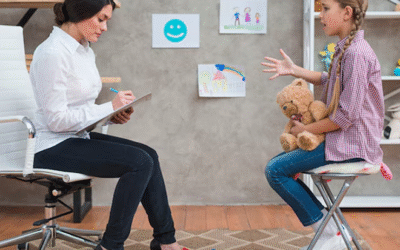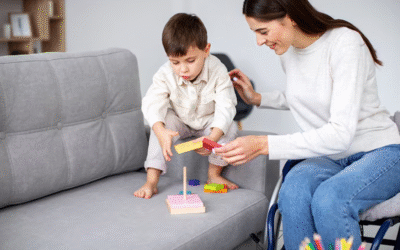

Anxiety and stress in young children can affect their growth, learning, and overall well-being. Many parents notice changes in behavior, sleep patterns, or mood, but may not know how to respond. Understanding child anxiety and applying supportive strategies can help children manage their feelings and navigate daily challenges. At My Favorite Therapists, we provide Child anxiety support in Deerfield Beach, guiding families through practical coping strategies that foster emotional regulation and overall child well-being.
Understanding Anxiety in Young Children
Anxiety in children may appear differently than in adults. While adults often express worry through words, children may show signs through behaviors. Common indicators include frequent temper tantrums, trouble sleeping, changes in appetite, or avoidance of social situations. Recognizing these signs early allows parents and caregivers to provide the guidance and support children need.
Stress and anxiety can stem from various factors such as changes at home, school pressure, or social challenges. Understanding that these feelings are normal and that children often need support to manage them can prevent long-term difficulties in emotional regulation.
The Role of Child Anxiety Support
Providing child anxiety support means helping children identify, understand, and manage their feelings without judgment. Supportive approaches include encouraging communication, validating emotions, and introducing simple coping strategies. Children learn that it’s safe to express their feelings, which reduces fear and promotes emotional stability.
Parents and caregivers in Deerfield Beach can benefit from guidance offered by experts like My Favorite Therapists, who combine knowledge of child development with hands-on strategies to reduce stress and anxiety in children.
Coping Strategies for Young Children
Children may not have the same coping tools as adults, but there are several strategies parents can implement to help them manage stress:
- Deep Breathing Exercises: Teach children to take slow, deep breaths when they feel anxious. A simple way is to have them imagine blowing up a balloon.
- Routine and Predictability: Consistent daily routines provide a sense of security and reduce anxiety triggers.
- Physical Activity: Simple exercises, outdoor play, or yoga can help release stress and improve mood.
- Creative Expression: Drawing, painting, or storytelling allows children to express feelings they may not be able to articulate verbally.
- Mindfulness Activities: Encourage children to focus on the present moment, noticing their surroundings or engaging in guided relaxation.
- Positive Reinforcement: Acknowledge their efforts to manage anxiety, even in small ways, to reinforce coping behaviors.
Implementing these coping strategies regularly can foster emotional regulation, helping children understand and manage their reactions to stress.
Supporting Emotional Regulation
Emotional regulation is the ability to manage emotions in a healthy way. Children learning to regulate their emotions are better equipped to handle frustration, fear, or sadness. Parents and caregivers play a significant role in teaching these skills by modeling calm behavior, offering reassurance, and providing guidance during challenging situations.
At My Favorite Therapists, techniques from ABA Therapy Treatments Deerfield beach fl, are sometimes used to help children develop emotional regulation skills. These approaches provide structured guidance and positive reinforcement, making it easier for children to practice coping in real-life scenarios.
The Importance of Child Well-Being
Focusing on child well-being means nurturing their emotional, social, and physical development. Anxiety and stress can interfere with learning, friendships, and family relationships if not addressed. By creating supportive environments and introducing practical coping strategies, parents can help children feel secure and capable in managing emotions.
Some ways to promote child well-being include:
- Consistent communication about feelings
- Encouraging healthy routines, sleep, and nutrition
- Creating safe spaces for emotional expression
- Participating in group activities or playdates for social development
- Offering reassurance and guidance without pressure
By addressing anxiety early, children develop resilience that carries into adolescence and beyond.
ABA Therapy Treatments in Deerfield Beach, FL
Applied Behavior Analysis (ABA) therapy treatments in Deerfield Beach, FL, are often used to support children who experience anxiety or difficulty with emotional regulation. ABA therapy uses structured, consistent approaches to teach coping skills and adaptive behaviors, often in small, manageable steps.
Some strategies used in ABA therapy for child anxiety support include:
- Breaking down tasks into smaller, achievable goals
- Practicing coping strategies in controlled settings
- Using positive reinforcement to encourage desired behaviors
- Monitoring progress and adjusting strategies based on the child’s needs
ABA therapy is not just for children with developmental disorders it can also help children struggling with anxiety or stress to develop practical skills for daily life.
Encouraging Communication
One of the most effective ways to support children with anxiety is to encourage open communication. Asking gentle questions about their feelings, listening without judgment, and validating emotions helps children feel heard and understood. Using simple language appropriate for their age makes it easier for children to express themselves.
Parents can also use storytelling or role-play to help children describe their worries and practice coping responses. This approach can make abstract feelings more tangible and manageable.
Building a Supportive Environment
Creating a nurturing environment at home and school is essential for child anxiety support. Small adjustments can make a significant difference:
- Provide clear routines and predictable schedules
- Minimize exposure to stressful situations when possible
- Encourage supportive peer relationships
- Celebrate small accomplishments and coping successes
- Set realistic expectations and avoid harsh criticism
By prioritizing a stable, supportive environment, children feel safer exploring their emotions and practicing self-regulation.
Integrating Coping Strategies into Daily Life
Coping strategies are most effective when practiced consistently. Parents can incorporate them into daily routines through small, manageable steps:
- Starting the day with a calming activity such as deep breathing or stretching
- Encouraging children to share feelings during mealtime or before bed
- Using visual schedules or reminders for emotional check-ins
- Practicing problem-solving exercises when minor conflicts arise
By embedding coping techniques into everyday life, children gradually internalize these skills, making it easier to handle stress independently.
Supporting Social and Emotional Development
Social and emotional development are closely linked to child anxiety support. When children understand and manage their emotions, they are more confident in social interactions. Parents can encourage positive relationships through guided play, cooperative tasks, and role-playing social scenarios.
Engaging in activities that require teamwork or turn-taking also helps children practice patience, empathy, and communication, contributing to overall child well-being.
Encouraging Consistency and Patience
Managing anxiety in children requires consistency and patience. Progress may be gradual, and setbacks are a normal part of learning emotional regulation. Parents who maintain supportive routines, provide consistent reinforcement, and model calm behavior help children feel secure while learning coping strategies.
Even small steps, like practicing deep breathing before a challenging task or expressing feelings through drawing, can lead to meaningful improvements over time.
Conclusion
Anxiety and stress in young children are common challenges, but with the right approach, they can be managed effectively. Offering child anxiety support through coping strategies, emotional regulation guidance, and a nurturing environment promotes overall child well-being. Families in Deerfield Beach can access resources like ABA therapy treatments and ongoing guidance from My Favorite Therapists to support their children in navigating anxiety.
By recognizing the signs, encouraging communication, and implementing practical strategies, parents and caregivers can help children feel safe, understood, and capable of managing their emotions. Consistency, patience, and a supportive approach create a foundation for lifelong resilience and healthy emotional development.
FAQ
What are early signs of anxiety in young children?
Early signs may include trouble sleeping, frequent temper tantrums, avoidance of activities, stomachaches, headaches, or excessive worry about routines and changes.
How can I help my child practice emotional regulation?
You can model calm behavior, provide guidance during stressful moments, encourage deep breathing or mindfulness, and validate their feelings without judgment.
When should I seek help for my child’s anxiety?
If anxiety is persistent, interferes with school, social activities, or daily routines, or leads to physical symptoms, it’s helpful to seek support from child anxiety support services.
What are some at-home coping strategies for children?
Deep breathing exercises, creative activities like drawing, structured routines, outdoor play, and practicing problem-solving skills can help children manage stress.
Can ABA therapy help children with anxiety?
Yes, ABA therapy treatments in Deerfield Beach, FL can guide children in developing coping strategies, emotional regulation, and adaptive behaviors through structured practice and positive reinforcement.