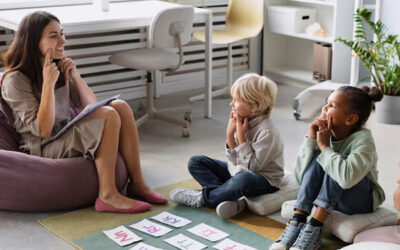
As children navigate the challenges of a busy school day, Sensory break routines for kids play a crucial role in maintaining calmness, focus, and readiness to learn. Whether it’s in the classroom, at home, or during therapy, sensory breaks provide children with an opportunity to regulate their emotions, refocus, and restore their energy levels. Understanding the importance of sensory regulation strategies can go a long way in supporting children’s overall well-being and development. This blog will explore how sensory breaks support children’s emotional self-regulation, discuss calming sensory techniques, and suggest practical strategies for incorporating structured sensory intervals in a child’s daily routine.
The Importance of Sensory Breaks for Children
Sensory break routines for kids are vital for managing overstimulation, especially in settings where children are expected to focus for extended periods. Children often experience sensory overload due to environmental stimuli such as bright lights, loud noises, and other distractions in the classroom. Sensory breaks help children regain composure by offering a moment to reset their sensory system. These breaks can reduce anxiety and help children stay calm, ensuring that they are prepared to engage in tasks that require focus.
Sensory Regulation Strategies in the Classroom
One of the most effective ways to promote calmness and focus in children is by integrating sensory regulation strategies into their daily routine. Sensory regulation refers to the process of adjusting and managing the sensory input a child receives to maintain an optimal level of arousal. For instance, some children may need more tactile input to feel calm, while others may benefit from activities that provide proprioceptive input to help with focus. Teachers and parents can work together to identify specific needs and tailor sensory break routines to each child’s sensory preferences.
Some effective sensory regulation strategies include:
- Quiet Time: Allowing children to retreat to a quiet space with dimmed lights for a few minutes.
- Movement Breaks: Incorporating physical activities like stretching or jumping jacks that can help children refocus and release tension.
- Deep Breathing: Practicing slow, deep breaths can help children relax and calm their nervous system.
Proprioceptive Input Activities: A Key Element of Sensory Breaks
Proprioceptive input activities are especially beneficial during sensory breaks. These activities involve deep pressure or heavy work, such as pushing, pulling, or carrying objects, which help children regulate their body’s sense of position in space. Proprioceptive input is calming for the nervous system and can also support focus and self-regulation. Activities like squeezing a stress ball, carrying books, or even playing with a weighted blanket offer proprioceptive feedback that supports emotional and physical regulation.
Incorporating proprioceptive input during sensory breaks can help children maintain their energy levels without feeling overstimulated. For example, a child may engage in a short series of squats or push-ups to relieve built-up tension before returning to classwork.
Calming Sensory Techniques for Overstimulated Kids
Children who struggle with overstimulation may experience heightened anxiety or agitation, which makes it challenging for them to stay focused or participate in classroom activities. Calming sensory techniques are essential for helping these children regain control over their emotions. Simple tools like noise-canceling headphones, sensory fidget toys, or a calming corner with soft pillows can help children manage overstimulation and refocus.
Here are a few calming sensory techniques that can be easily incorporated into a child’s daily routine:
- Weighted Blankets: These provide calming deep pressure stimulation.
- Gentle Rocking: A rocking motion, either in a chair or on a therapy swing, can help regulate arousal levels.
- Visual Breaks: Looking at calming images or engaging in visual relaxation exercises can help children regain composure.
Using Classroom Sensory Tools to Support Focus
Classroom sensory tools are an essential component of sensory break routines for kids. These tools are designed to provide sensory input that supports focus, calming, and self-regulation. Teachers and therapists can use a variety of sensory tools in the classroom to create a more inclusive and engaging learning environment for children who benefit from sensory breaks.
Some popular classroom sensory tools include:
- Fidget Toys: Small, handheld objects that children can manipulate to help them stay engaged during tasks.
- Therapy Putty: Provides resistance and tactile feedback that can help children concentrate.
- Chewy Necklaces: Designed for children who seek oral sensory input, these necklaces can help calm nerves and focus attention.
Incorporating these tools in a structured way can make a significant difference in a child’s ability to stay calm and focused during learning activities.
Overstimulation Relief Exercises
Overstimulation relief exercises are designed to provide children with a physical outlet to release excess energy and prevent sensory overload. These exercises involve physical movement that targets specific senses like touch, balance, and proprioception. Activities such as crawling through tunnels, rolling on mats, or jumping on a trampoline offer sensory input that can help children regain emotional balance and focus.
Overstimulation relief exercises are often part of structured sensory intervals that allow children to self-regulate before re-engaging in classroom tasks. These exercises help to mitigate the negative effects of overstimulation, such as anxiety or distractibility, ensuring that children are better equipped to succeed in academic tasks.
Emotional Self-Regulation Through Sensory Breaks
Emotional self-regulation is an essential skill that helps children manage their emotions and behaviors in response to external stimuli. Sensory breaks contribute to emotional self-regulation by offering children the opportunity to engage in calming activities that restore their sense of balance. By incorporating sensory regulation strategies into daily routines, children can learn how to manage their emotions independently.
Teaching children emotional self-regulation through sensory breaks enables them to stay calm in challenging situations, whether it’s a noisy classroom environment or a stressful social interaction. Sensory breaks serve as an essential tool for promoting emotional well-being and helping children thrive in various settings.
Structured Sensory Intervals: A Routine for Success
Structured sensory intervals involve planned breaks throughout the day that incorporate sensory activities to help children regulate their sensory systems. These intervals can vary in duration and frequency, depending on the child’s needs and classroom schedule. By providing regular sensory breaks, teachers can help prevent sensory overload and ensure that children remain engaged and focused throughout the day.
For instance, children can have a 5-10 minute sensory break every hour, where they engage in calming activities like stretching, deep breathing, or using sensory tools. Structured sensory intervals can also be used as part of a transition routine, helping children shift from one activity to another without becoming overwhelmed.
Conclusion
Sensory break routines for kids are an invaluable tool for supporting emotional self-regulation, maintaining focus, and reducing overstimulation. By incorporating sensory regulation strategies, calming sensory techniques, and structured sensory intervals into a child’s routine, teachers and parents can create an environment that supports learning and emotional well-being. Proprioceptive input activities and classroom sensory tools are especially helpful in providing the sensory feedback children need to stay calm and focused throughout the day. With the right sensory break routines in place, children can engage in their academic tasks with greater ease, ensuring that they remain ready to learn and thrive in any environment.
FAQs
How often should children take sensory breaks?
Children should take sensory breaks as often as needed, especially when they show signs of overstimulation or struggle to focus. A structured sensory interval every 45-60 minutes is ideal for maintaining calmness and focus throughout the day.
What are some common sensory tools for kids?
Common sensory tools include fidget toys, therapy putty, weighted blankets, chewy necklaces, and noise-canceling headphones. These tools help children manage sensory input and stay calm in the classroom.
How can I create a calming sensory space at home?
To create a calming sensory space, designate a quiet area with soft lighting, calming music, and sensory tools such as weighted blankets or plush toys. This space can serve as a retreat for children who need a break from sensory overload.
Can sensory breaks help children with ADHD?
Yes, sensory breaks are highly beneficial for children with ADHD. These breaks can help children with ADHD regulate their sensory needs, reduce impulsivity, and improve focus during classroom tasks.
Are sensory breaks only for children with special needs?
No, sensory breaks can benefit all children, not just those with special needs. Every child can experience sensory overload, and sensory breaks provide an opportunity to refocus, calm down, and stay engaged in learning activities.